The Art of Aging Well
We provide customized hourly and around-the-clock care to older adults so they can live happier, healthier lives at home.
Download
 by: Maria Licoudis, R.N. & Care Manager
Exercise plays a crucial role in the aging process. Evidence now supports the role that exercise plays in both our physical and mental health. Moderate exercise such as walking, low impact weight bearing exercises, tai chi, and flexibility fitness give seniors a sense of calmness, as well as physical and psychological wellness. For older adults, exercise prevents muscle wasting and loss, improves cardiac function, bone density, improves balance and reduces the risk of falls. As well, researchers have discovered that physically fit seniors have less brain tissue atrophy. For sejuniors who are still mobile, engaging in a stretching or yoga class, as well as walking daily, maintains mobility. For seniors who are unable to ambulate, passive and active exercises can be performed in a chair/wheelchair. Stretching, strength building and aerobic exercises should be included daily.
As we age, joints lose flexibility and muscles become shorter and lose elasticity. As a result, you may feel pain or decrease in flexibility in the shoulders, neck, spine, hips and legs. Stretching can help offset the effects of normal decline. You can also incorporate breathing and good posture in your stretching to relax and relieve tension.
Exercise should always be done with your physicians’ permission. To avoid injury and improve range of motion, you do need to stretch. Don't ever do it when muscles are cold. Always begin with some mild aerobic warm-ups to get blood to the tissue. Don’t bounce or hold your breath. Stretching should not cause pain. Be gentle and remember, flexibility training will only show benefits if it is done regularly with the correct form and duration of stretch.
Neck stretches should be done with a straight spine and chin up.
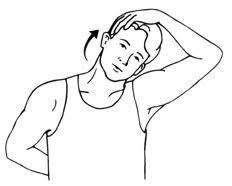 Sit comfortably in a chair. Reach your right arm behind your back. Place your left hand on top of your head and gently tilt your head to the left. Hold for 5 seconds and repeat with the other side.
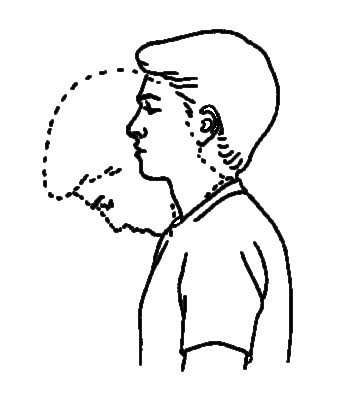 Sit straight up in a chair with your arms at your side. Bring your chin to your chest as close as you can, without pain, for thirty seconds. Always breathe deeply.
Shoulder stretches help maintain good posture and prevent falls.
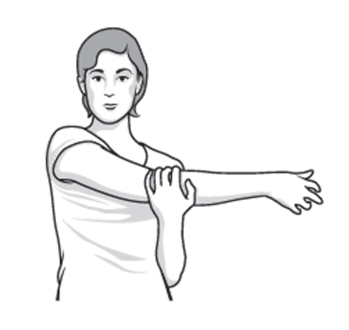 Bring your left hand up onto your right shoulder. Support your elbow with your right hand and gently pull left elbow toward right shoulder. When a stretch is felt hold for 10 to 15 seconds. Repeat with the other side.
 Hold your arms down by your sides, then lift your arms up, with palms facing forward, and inhale as you elevate them and exhale as you lower your arms.
Chest stretches promote flexibility in the upper torso and can assist with mobility in the arms.
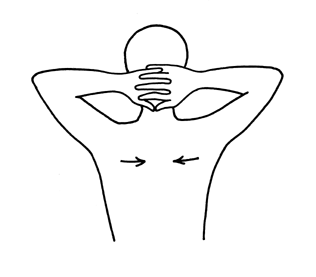 Sit comfortably in a chair. Raise arms and place hands behind head or neck. Breathe in while bringing your neck and shoulders back. Hold briefly, then exhale and repeat three more times.
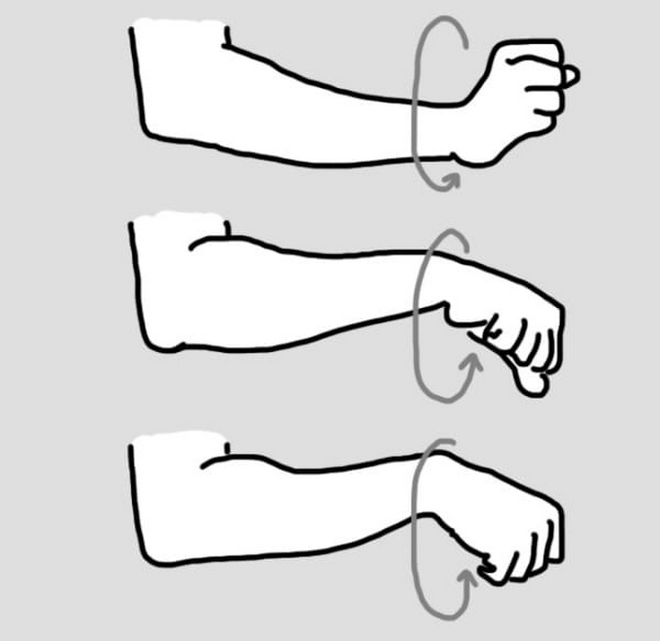 Hold your wrists in front of you and make a fist. Roll your hands clockwise a few times and then counter clockwise a few times again.
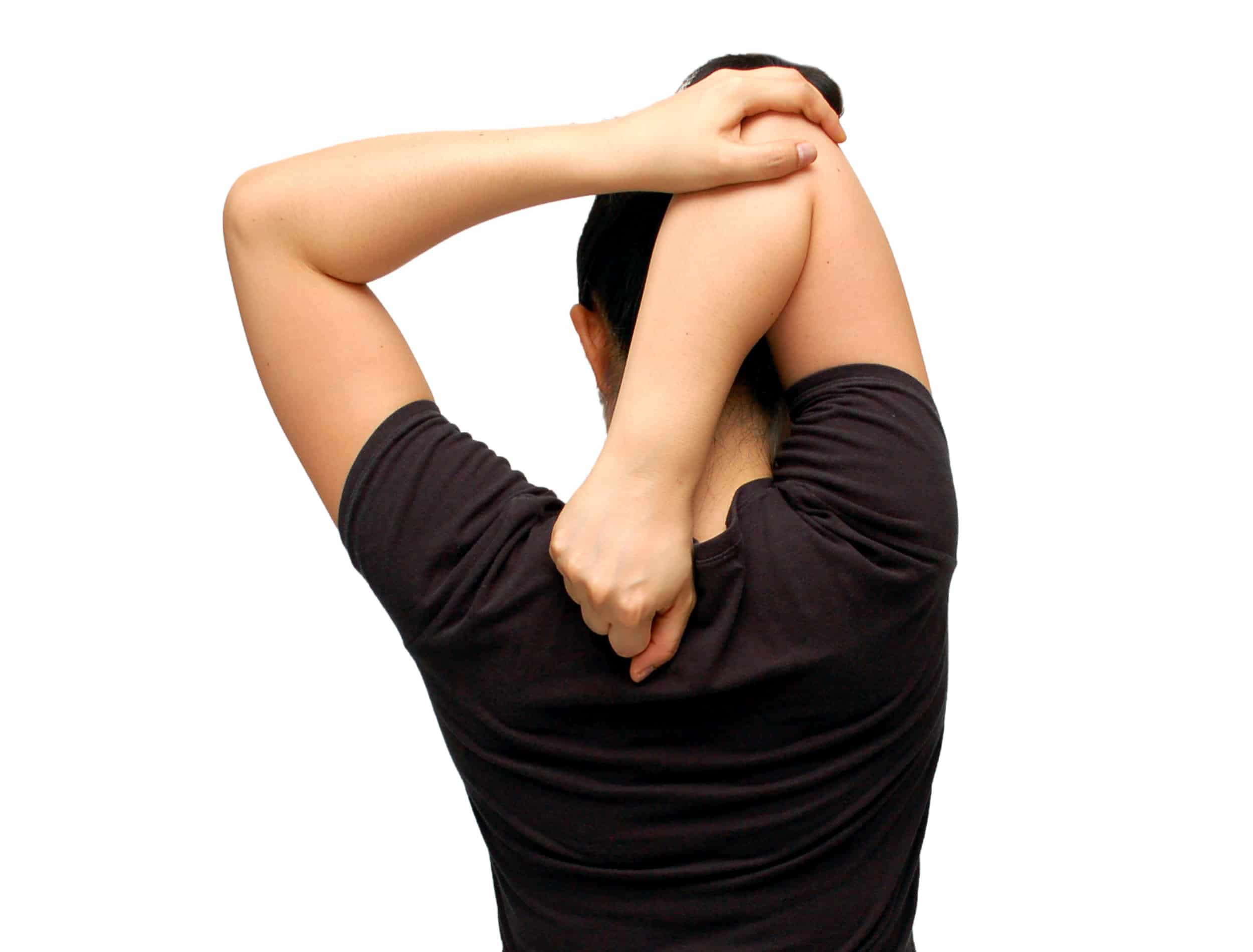 Extend left arm with palm up. Bring your left arm overhead and pat yourself on the back. Bring your right hand to your elbow and gently press the elbow back until a stretch is felt. Hold for 10 to 15 seconds Repeat with the other arm.
Stretches of the legs allow you to maintain muscle function and stamina.
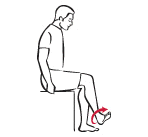 To stretch and stimulate circulation in your ankles, sit in a chair with good posture, lift your right leg high enough so you can roll your foot. Roll it clockwise, then counter clockwise. Repeat with the other foot.
Stretching your back helps maintain good posture and stamina.
Exercise increases dopamine and serotonin levels, which result in improved mood as well as attention and learning. Strength building helps you to maintain your ability to do many of your daily tasks. Joining an exercise or yoga class with light weights is a great idea if you want to stay healthy and maintain functionality.
Walking is the best form of aerobic exercises for seniors. Short walks on a regular basis, independently, or with a cane or walker, can benefit mental and physical well being. Make sure to always drink water before and after exercise. Always wear socks and comfortable shoes. Dress warmly in cool weather if ambulating outside. Walk on flat, even surfaces to decrease the risk of falls. Mix up your routine and have your family or caregiver take you on an outing.
Through exercises and movement, successful outcomes will result in an increased ability to accomplish daily tasks and provides you with a great sense of mental, physical, spiritual calmness and well being. Your body is your temple, and must be nourished and respected as such. Physical exercise, as well as mental calmness and purpose are crucial elements in the holistic well-being of an individual and our Balanced Care Method.
Note: This information is for informative purposes only. Always check with a medical professional.

Get Started With a Free Consult